• Skip to main content
  • Skip to footer

Endpoint Wellness

Acupuncture in Albuquerque, Sports Medicine, and Pain Management

  • Home
  • Services
  • About
  • Blog
  • Contact Us

Blog

Oct 03 2017

Treatments For Sciatic Nerve Pain

No single treatment can help everyone, but your sciatic nerve will likely thank you if you do these two things to help ease your sciatica symptoms.

Exercise Helps Sciatic Nerve Pain

Let’s face it—when your sciatica symptoms strike all you want to do is rest. This is typically okay for 24 to 48 hours, but prolonged rest can actually make your sciatica symptoms worse.
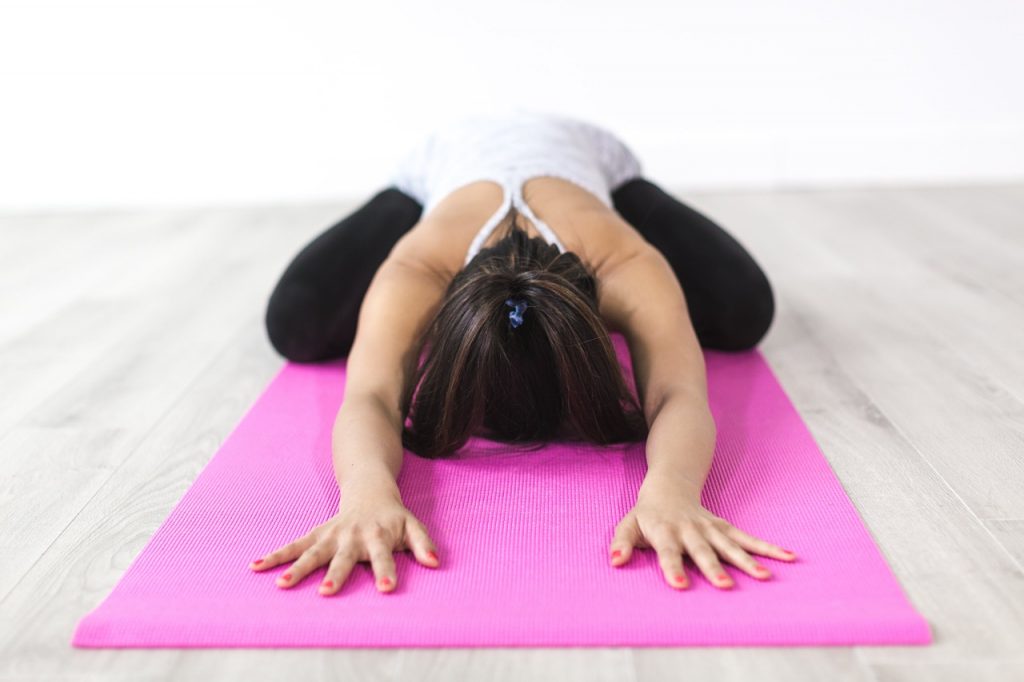
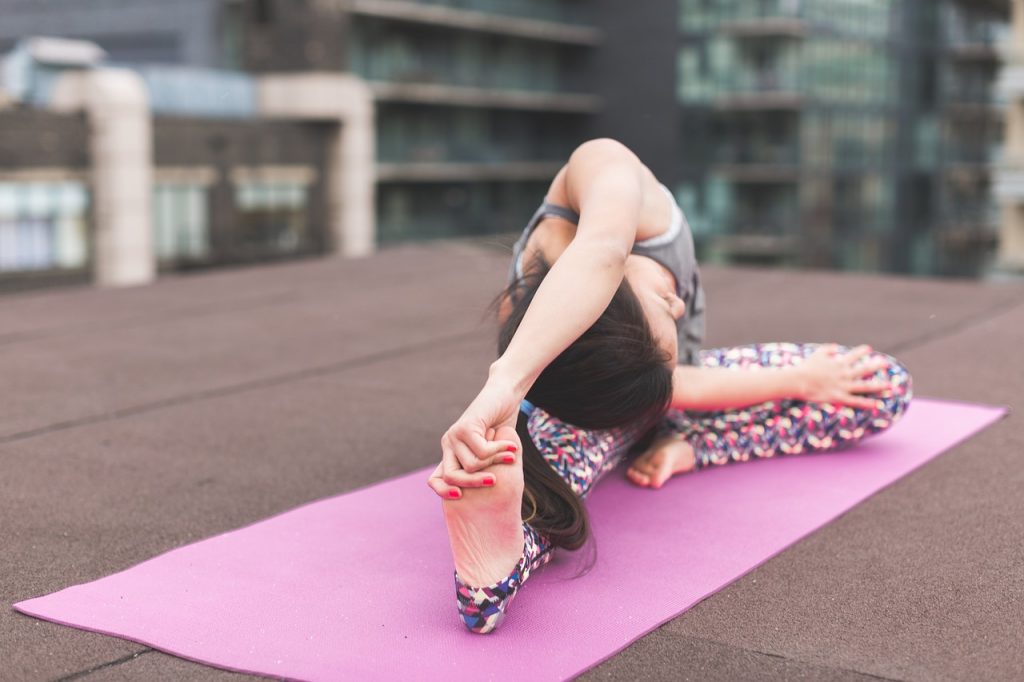
Woman exercising in order to treat sciatic nerve pain

For example, prolonged rest can lead to deconditioned lower back muscles, which prevents these muscles from properly supporting your spine. In addition, prolonged rest can lead to tight hamstrings—and both of these issues may further aggravate the lower back problem causing your sciatica.

It is typically a good idea to develop a gentle exercise program (in tandem with your doctor) to help treat your sciatica. As part of this program, you should normally include stretching, strengthening, and low-impact aerobic exercise tailored to your lower back disorder.

As an added bonus, exercise encourages blood flow which can bring healing nutrients to the site of the lower back disorder causing your sciatica.

Apply Heat Therapy To Treat Sciatic Nerve Pain

Heat therapy has numerous benefits for people suffering from sciatica symptoms, including:

  • dilation of your blood vessels, which encourages healing by increasing the flow of oxygen and nutrients.
  • Stretching of your soft tissues relieves the pressure on your sciatic nerve.
  • Stimulation of the sensory receptors in your skin so your brain focuses less on your sciatic pain.

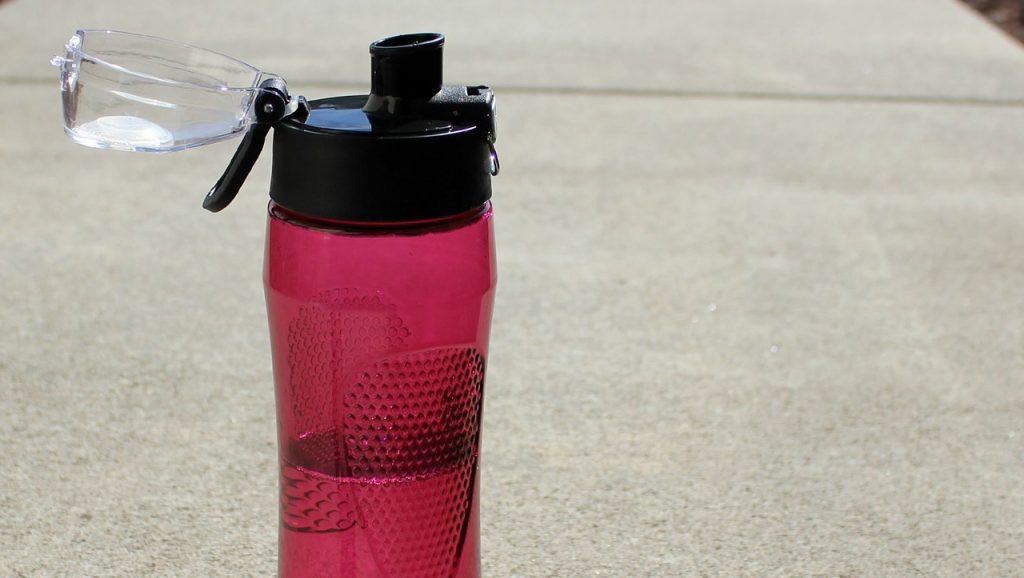
There are numerous options for heat therapy, including many you can keep in your car or at the office. For example, you can always keep a disposable heat wrap handy, or simply fill a water bottle with warm water from the faucet. If you are at home when your sciatic pain strikes, you can try lying on top of an electric blanket—or give a warm bath a try.

The major caution with heat therapy is to avoid extreme heat as this can lead to serious burns. The temperature you are looking for is best described as warm, not hot.

Of course, there is no guarantee these two treatments will solve all of your sciatica-related problems. Give them both a try today and you may find significant relief from your sciatica symptoms. In turn, your sciatic nerve will most definitely thank you.
Written by Scott Cooper · Categorized: News

Sep 29 2017

Cupping Therapy: How It Works

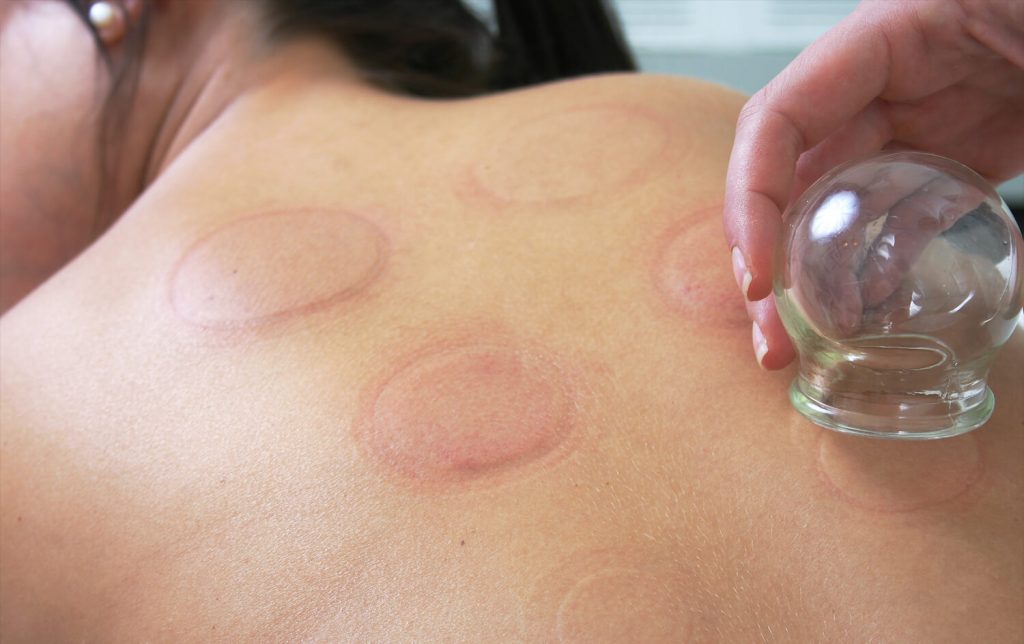
When most people hear the phrase cupping therapy they usually default to an image of a Chinese Medicine Practitioner wielding a small flaming utensil in one hand and round glass suction cup in the other. They are standing over a treatment table with a patient lying face down and the patient’s back is covered with circular hickey marks. This is the common perception of cupping therapy that most people have and generally the limited amount of understanding that most hold of this classic and effective Chinese Medical treatment therapy.

An image of a lady getting cupping therapy

Cupping therapy is a Traditional Chinese Medical therapy that has been used as a stand-alone treatment method and additional treatment to acupuncture for thousands of years. It’s most common application is the reduction of acute and chronic muscle pain due to muscle tension, trigger points, poor circulation, metabolic waste buildup, and inflammation. Though commonly used for pain cupping therapy has a much wider treatment claim, addressing things like:

  • respiratory conditions
  • headaches
  • digestive complaints
  • common cold
  • neuropathy

How Cupping Therapy Works

Cupping therapy is often referred to as fire cupping because as most cupping pictures will point out the Chinese Medicine Practitioner needs a flame to complete the procedure.

The Practitioner lights a cotton ball in a hemostat on fire, quickly inserts the flame into the glass cup for 2-3 seconds reducing the amount of oxygen inside the cup and creating a vacuum effect.

Then the Practitioner removes the flame from the cup and gently places the cup onto the desired treatment area. The cups will suction to the skin and muscle firmly – a skilled Practitioner will be able to adjust the level of suction without needing to remove and reset the cup.

The cups are either left static on the area for 8 – 15 minutes or are moved along the affected muscle or meridian pathway like a deep tissue massage using a technique know as walking cups. Both walking and static cups are typically used on large, hairless, muscular areas of the body. Depending on the level of suction both styles of cupping can penetrate muscle tissue 10 cm below the surface of the skin.

Walking cupping, unlike static cupping, necessitates a base of oil applied to the treatment area before the cups are set to ensure smooth cup gliding. Despite the health benefits and how good cupping therapy feels many people are unsure of cupping because of the famous “bruises” the cups can leave.

What Happens During & After Cupping?

The cups can leave discolorations but they are not bruises. Bruising is caused by trauma to blood vessels that cause blood to leak out of the vessels into tissues of the skin that often leaves the area tender and painful. However, the discoloration formed by the vacuum effect of cupping therapy come from the pulling of trapped toxins, metabolic wastes, and non-circulating stagnant blood from constricted tissues to the skin surface. Once at the skin’s surface, purple or red painless discolorations can form but are flushed by the lymphatic system a few days post treatment.

By pulling these toxins, metabolic waste products and stagnant fluids are pulled out and away from the injured or affected area. Normal and healthy tissue circulation can now be restored. During follow up cupping treatments, pain and discoloration often reduce as space is created for fresh blood circulation, oxygen, living cells, and nutrients to circulate freely.

At Endpoint Wellness, we specialize in Cupping Therapy in the Albuquerque area.

Written by Scott Cooper · Categorized: News

Sep 21 2017

How To Treat Sciatic Nerve Pain By Stretching

What Is The Sciatic Nerve?

Sciatic nerve pain can be so excruciating and debilitating that you don’t even want to get off the couch. Common causes of sciatica can include a ruptured disk, a narrowing of the spinal canal (called spinal stenosis), and injury.

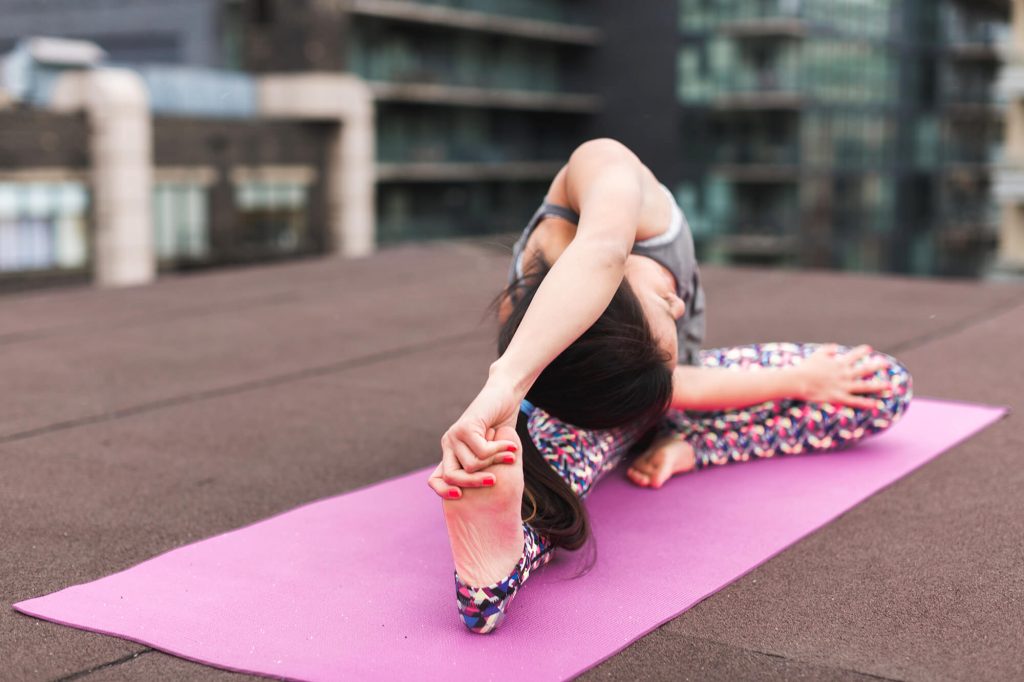
Woman stretching to help her sciatic nerve

Sciatica pain can occur for a variety of reasons and identifying what doesn’t move is the first step toward solving the problem. Often, the most problematic body parts are the lower back and hips. The best way to alleviate most sciatica pain is to do any stretch that can externally rotate the hip to provide some relief.

Here are five exercises that do just that:

  • reclining pigeon pose
  • sitting pigeon pose
  • forward pigeon pose
  • knee to opposite shoulder
  • sitting spinal stretch

Reclining Pigeon Pose

Pigeon Pose is a common yoga pose. It works to open the hips. There are multiple versions of this stretch. The first is a starting version known as the reclining pigeon pose. If you are just starting your treatment, you should try the reclining pose first.

  • While on your back, bring your right leg up to a right angle. Clasp both hands behind the thigh, locking your fingers.
  • Lift your left leg and place your right ankle on top of the left knee.
  • Hold the position for a moment. This helps stretch the tiny piriformis muscle, which sometimes becomes inflamed and presses against the sciatic nerve, causing pain.
  • Do the same exercise with the other leg.

Once you can do the reclining version without pain, work on the sitting and forward versions of pigeon pose.

Sitting Pigeon Pose

Sit on the floor with your legs stretched out straight in front of you.
Bend your right leg, putting your right ankle on top of the left knee.
Lean forward and allow your upper body to reach toward your thigh.
Hold for 15 to 30 seconds. This stretches the glutes and lower back.

Repeat on the other side.

Forward Pigeon Pose

  • Kneel on the floor on all fours.
  • Pick up your right leg and move it forward on the ground in front of your body. Your lower leg should be on the ground, horizontal to the body. Your right foot should be in front of your right knee while your right knee stays to the right.
  • Stretch the left leg out all the way behind you on the floor, with the top of the foot on the ground and toes pointing back.
  • Shift your body weight gradually from your arms to your legs so that your legs are supporting your weight. Sit up straight with your hands on either side of your legs.
  • Take a deep breath. While exhaling, lean your upper body forward over your front leg. Support your weight with your arms as much as possible.

Repeat on the other side.

Knee To Opposite Shoulder

  • This simple stretch helps relieve sciatica pain by loosening your gluteal and piriformis muscles, which can become inflamed and press against the sciatic nerve.
  • Lie on your back with your legs extended and your feet flexed upward.
  • Bend your right leg and clasp your hands around the knee.
  • Gently pull your right leg across your body toward your left shoulder. Hold it there for 30 seconds. Remember to pull your knee only as far as it will comfortably go. You should feel a relieving stretch in your muscle, not pain.
  • Push your knee so your leg returns to its starting position.

Repeat for a total of 3 reps, and then switch legs.

Sitting Spinal Stretch

Sciatica pain is triggered when vertebrae in the spine compress. This stretch helps create space in the spine to relieve pressure on the sciatic nerve.

  • Sit on the ground with your legs extended straight out with your feet flexed upward.
  • Bend your right knee and place your foot flat on the floor on the outside of your opposite knee.
  • Place your left elbow on the outside of your right knee to help you gently turn your body toward the right.

Hold for 30 seconds and repeat three times, then switch sides.

At Endpoint Wellness, we help with the recovery of sciatica pain.

Written by Scott Cooper · Categorized: News

Sep 15 2017

How To Ease Neck Pain

For many living with chronic neck pain, conventional treatments such as medications or chiropractic care won’t always provide relief. Here are some natural tips on how to ease neck pain.

Help your neck pain with hydration

1. Stay Hydrated

The discs between the vertebrae in your spine require water to maintain disc height and spinal alignment and to take pressure off the spine. Each individual spinal disc is roughly 80 percent water when we’re born, with this ratio decreasing as we age and the discs degenerate.

Over time, maintaining strong daily hydration habits may prevent further degeneration of cervical discs, which may reduce neck pain.

2. Be Careful How You Use Your Phone

One way you may not even realize that you’re aggravating your neck is by cradling your phone in your neck while you’re talking. This puts unneeded strain on your cervical spine.

In addition, many people are starting to experience text neck by craning their neck down to look at their phone while they text or browse the internet.

3. Get In The Pool

The therapeutic effects that swimming has on neck pain can be significant, specifically in reducing inflammation, providing quick pain relief, and easing neck stiffness.

Interesting methods have included:

  • Squatting until the water reaches the chin, then moving back and forth and to the right and to the left.
  • Using a swimming pool that is quite warm.
  • Finding a stroke that is gentle on your neck for swimming laps, or consult with a physical therapist or other health professional for recommendations. Depending on your swimming skill, you may be able to do “Texas 25s”—either crawl or breaststroke—which is swimming a length of the pool without taking a breath. If you can do this, then you can get a lot of aerobic exercise without twisting your neck at all.
  • Getting the water level up to the neck and simply moving around.

4. Consider Acupuncture

Acupuncture provides varying degrees of neck pain relief for many individuals. Some people swear by its effectiveness as it helps a lot of people overcome a lot of different symptoms, including curing neck pain.

At Endpoint Wellness, we specialize in techniques that fix neck pain.

Written by Scott Cooper · Categorized: News

Sep 14 2017

7 Natural Ways To Find Relief From Back Pain

Studies have found that 80% of all Americans will have low back pain at least once in their lives. Most of us have chronic back pain and do not want to resort to pills, are tired of the chiropractor, and are ready to try other methods of relieving back pain. Here are 7 natural ways to find relief from back pain, along with tips that may prevent back pain in the future.

Visit Your Acupuncturist Regularly

Regular visits to the acupuncturist can keep you feeling great! At Endpoint Wellness we treat the underlying cause of your back pain using the best practices from Eastern and Western Medicine. Back pain may result from a postural issue, muscle imbalance, vertebral fixation or disc problem and getting the pain and inflammation under control is our first priority.

Stretching to relieve and prevent back pain

The next step is to get you moving again and we do this with supervised corrective exercises. Temporary solutions such as heating pads and over-the-counter drugs do not treat the underlying cause of your back pain. Instead, they simply cover up the pain temporarily.

Stretching

We all know how good it feels to do a big stretch right when we get out of bed. That’s because stretching loosens tense muscles that have been resting all night. The same goes for the rest of your body.

Stretching serves two primary purposes:

  1. to loosen tense or stiff muscles
  2. to strengthen muscles that need help

When it comes to back pain, there are many stretches that can help alleviate the pain. However, it is important to talk to your doctor if you have chronic back pain, as some stretches may make the pain worse.

When stretching, it is important to be gentle and gradual. You should not experience pain while stretching as this can do more harm than good. Once you find the stretches that are best for you, regular stretching can ease back pain quickly and effectively.

Practice Posture

Most of us spend a majority of the day sitting. Whether it is at work, in the car, at school or watching television, all of this sitting puts a lot of pressure on the spine. Overtime, bad posture can lead to pain in the neck, shoulders, and back. To prevent this, consciously practice good posture.

Good posture means having your feet flat on the floor, back straight, shoulders back, and neck straight. If you are short, it may help to place a small stool for your feet to rest on while sitting. This reduces the amount of pressure on your spine and surrounding muscles and ligaments. It is a good idea to get up every 30 minutes to stretch and move around. This keeps your bones, joints, and muscles from stiffening up and also stimulates the oxygen flow to the brain, making you feel more energized and alert.

Your Sleeping Position

Everyone has a unique sleeping position. Although some may be more comfortable than others, the best sleeping position is on your back. Sleeping on your back is ideal for neck and spine health because it keeps the back straight and aligned.

Side sleepers and stomach sleepers may create an unnatural curve in the spine which creates a lot of pressure.

Sleeping on your back also allows your mattress to do its job of supporting your spine. Some individuals may find this position more comfortable by placing a pillow underneath your feet. If you absolutely can’t sleep on your back, sleeping on your side with a pillow between your knees can help your muscles to relax and helps reduce pressure on the spine. If neither of these positions work for you, sleeping on your stomach with a pillow under your lower and pelvis abdomen can help reduce the strain on your spine.

Exercise

It’s no secret that individuals who are active tend to live a healthier life, experience less fragility, loss of mobility, injuries, and inflammation. Individuals who are active tend to experience less aches and pains and have more energy throughout the day.

Inactivity can cause spinal discs and back pain to become increasingly painful over time, since sitting causes muscles to weaken and puts more pressure on the spine. This is especially harmful if you are overweight.

Staying active doesn’t mean you have to train for a marathon. In fact, simple activities like walking, swimming, dancing, and cycling are all low-impact exercises that help keep your body in optimal health. As mentioned before, stretching is also a great option as it keeps muscles, joints, and bones loose, improves flexibility, reduces stiffness, inflammation, and pain.

Foam Rollers

Foam roller exercises are also known as self-myofascial release. The benefits of this exercise can be similar to the benefits of massage therapy and stretching. Foam rolling can help eliminate adhesions in your muscles and connective tissues, increase blood flow to your muscles, create better mobility, help with recovery, and improve performance. Foam rolling is not safe for everyone, and should not be used by those with a herniated disc.

Rest, Sometimes

Medical doctors used to prescribe patients with back pain to simply lie down and rest in bed. We now know that lying down in bed is one of the absolute worst things you can do if you suffer from back pain, as it can lead to severe stiffness, soreness, and other complications.

If you have an occasional back ache, try not to rest in bed for no more than one or two days. It is important to keep your body moving regularly, even if it is for five to 10 minutes at a time. This helps loosen muscles, relieve joint pain and provide overall optimal health.

At Endpoint Wellness, we offer solutions for back pain in the local Albuquerque area.

Written by Scott Cooper · Categorized: News

  • « Go to Previous Page
  • Page 1
  • Interim pages omitted …
  • Page 4
  • Page 5
  • Page 6
  • Page 7
  • Go to Next Page »

Footer

Move better. Feel better. Look better.

Endpoint Wellness
2730 San Pedro Dr. NE, Suite B2
Albuquerque, NM 87110
(505) 433-2054

Buy Standard Process
  • Home
  • Services
  • About
  • Blog
  • Contact Us